Category: Path of Exile 2 (page 1 of 2)

Path of Exile 2:Prince Azmadi Boss Guide

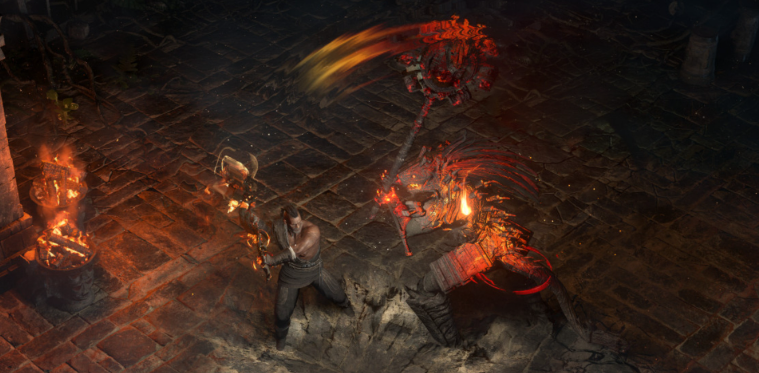
The showdown with Azmadi, Prince of the Faridun, is one of the hardest skill checks in the Path of Exile 2 campaign. Fought during the Interlude, this duel-style battle forces players to carefully read animations and manage dodges. Azmadi ability to chain attacks into combos that can stunlock you makes the fight especially dangerous for fragile ranged characters or glass-cannon builds.

Where to Find Azmadi

Azmadi appears in the second Interlude quest, set in the Qumah Reservoir, a zone that links Khari Crossing and the Galai Gates. His story is directly tied to the political conflict with Asala, Sekhema of Sekhemas, making this encounter both narratively and mechanically important.

Unlike many optional bosses scattered across Wraeclast, Azmadi is a mandatory fight-you’ll encounter him naturally while advancing through the Interlude. The fight takes place in a large open arena, which gives you plenty of room to reposition and dodge his increasingly aggressive attacks.Unleash your potential in Path of Exile 2. Get your POE 2 Currency today at MMOexp!

Fight Structure

Azmadi fights in two escalating phases:

Phase One (100% → 60% HP):His movements are slower, more deliberate, and well-telegraphed. This is your opportunity to learn his attack patterns.

Phase Two (below 60% HP):When his health dips, Zarokh, the Temporal, freezes time to empower him. From here, Azmadi becomes far more aggressive-attacks come out faster, hit harder, and are often harder to predict.

Azmadi Moveset

Azmadi cycles through a variety of melee and spectral abilities that can flow into each other unpredictably:

1.Sword Dash-Quick forward lunge. Side-step or roll through the dash.

2.Single Swing-A basic strike, often used to bait out your dodge.

3.Multi-Swing Combo-Three rapid melee attacks that can chain into other moves.

4.Sword Throw-Hurls spectral swords in sequence, each one tracking from the last’s direction.

5.Spectral Heavy Slash-Creates illusions before delivering a huge charged slash.

6.Blink AoE Slash-Teleports multiple times, leaving AoE zones after each slash.

7.Spectral Sword Dash-Swords spawn around the arena; Azmadi dashes to them, detonating AoE on arrival.

8.Aerial Slam with Clones-Leaps into the air, spawning clones, then slams down, releasing slashing shockwaves.

9.Delayed Three-Hit Combo-Fires slash waves, with the third delayed to punish early dodges.

Strategy Breakdown

Phase One

Play it safe. This is the learning stage; focus on recognizing his tells.

For ranged characters:Kite around the edges, avoiding unnecessary risks.

For melee builds:Bait his swings and punish during recovery.

Phase Two

When Zarokh intervenes, Azmadi tempo accelerates dramatically:

Opening Blink AoE Slash:Roll away immediately during the transition-this is often his first move.

Spectral Sword Dash:Watch for glowing swords marking his path; roll sideways just before impact.

Delayed Three-Hit Combo:Dodge the first two slashes, wait half a beat, then roll for the delayed third.

Aerial Slam:Move behind him before he lands to avoid the fan-shaped shockwaves.

Sword Throw:Maintain lateral movement until the sequence finishes.

The key in phase two is to stay calm, read his animations, and avoid panic-dodging too early.

Preparation and Gear Tips

Azmadi fight is a gear check as much as a skill check. Proper setup makes survival far more manageable:

Defensive Flasks:Use flasks that boost armor, evasion, or resistances.

Movement Gear:Boots with movement speed or dash-support mods help reposition against his blinks.

Unique Items:Prioritize survivability-life on hit or combo mitigation effects shine here.

Crafted Gear:Stack resistances to reduce the impact of his elemental attacks.

If gearing through farming feels slow, trading for specific Path of Exile 2 items can save time and prepare you for this battle more efficiently.Don’t let currency shortages hold you back-acquire your cheap Path of Exile 2 Currency now at MMOexp and thrive!

The battle against Azmadi, Prince of the Faridun, is a true mechanical test in Path of Exile 2. Unlike bosses that can be brute-forced with raw DPS, Azmadi rewards patience, precision, and preparation. His ability to stunlock reckless players makes him especially punishing for fragile builds-but with practice and the right gear, his patterns become manageable.

Azmadi isn’t just another campaign boss-he’s the fight that teaches you how to respect Path of Exile 2 combat systems.


Una’s Lute in Path of Exile 2: A Quest of Emotion, Strategy, and Reward

In Path of Exile 2, a game renowned for its complex systems and deep storytelling, certain quests leave a lasting impression. One such standout is the journey to recover Una’s Lute—a quest that weaves emotional narrative with meaningful gameplay rewards.If you’re concerned about in-game POE 2 Currency, MMOexp is here to help.

A Melodic Legacy Lost

Una, a bard known for uplifting spirits with her music, once used her lute to bring peace and healing to the people of Wraeclast. But when her instrument vanishes, her voice falls silent, and a shadow spreads over her once-vibrant presence. It’s up to players to find this lost lute and restore both Una’s purpose and her power.

The quest is far from a simple fetch task. It sends players across varied regions, confronting them with combat trials, environmental puzzles, and fragments of story hidden throughout the land. These clues help piece together Una’s past and hint at the lute’s location—all while immersing the player deeper into the world’s lore.

A Journey of Redemption and Resonance

This isn’t just about finding an item—it’s about healing a broken spirit. Returning Una’s lute is an emotionally charged moment. Her gratitude isn’t just expressed through dialogue but felt through the transformation of her character. The narrative impact is significant, offering a sense of personal connection and heroism that few quests manage to deliver.

The Book of Specialization: A Reward Worth the Journey

Once Una’s lute is restored, players receive the Book of Specialization, a unique item that grants two passive skill points—a substantial reward in the context of Path of Exile 2’s intricate build system.

These points are more than numbers on a skill tree—they’re an opportunity. They allow players to fine-tune their builds, enhance power, defense, or utility, and experiment with new strategies. Whether you’re optimizing an existing build or dabbling in a fresh playstyle, the Book of Specialization offers real strategic freedom.

Empowering Experimentation

What makes this reward stand out is its flexibility. In a game where theorycrafting is nearly as addictive as combat, having extra passive points lets you push the boundaries of your build. Want to shift from crit-heavy damage to more balanced sustain? Thinking of incorporating crowd control or elemental synergies? These points make it easier to adapt—without the steep cost of a full respec.

In Path of Exile 2, where the passive skill tree is a labyrinth of possibilities, even two points can open doors to powerful synergies or pivotal keystones. And with constantly evolving content, from leagues to endgame bosses, adaptability is a crucial trait for success.

A Quest That Echoes Beyond Combat

Una’s Lute represents more than a reward or storyline checkpoint—it’s a thematic cornerstone. The quest speaks to the power of music, the resilience of the human (or exile) spirit, and the importance of restoration in a world plagued by ruin. It’s an emotional high point in a game full of grim trials.

For players chasing both narrative depth and gameplay progression, Una’s Lute delivers on all fronts. It’s a reminder that even in a harsh world like Wraeclast, moments of beauty and humanity persist—and that your actions, both big and small, can change lives.

With the Book of Specialization in hand, you’re equipped to push your character to new heights. Whether you’re a seasoned theorycrafter or a newcomer refining your first build, those two passive points can make all the difference.

Ready to prepare for the road ahead? Stack up on buy POE 2 Orbs and make sure you’re fully equipped to face the dangers—and choices—that lie in wait.

Currency in Path of Exile 2 Using the Automated Loot and Auction (ALA) System

Path of Exile 2 is shaping up to be one of the most anticipated action RPGs of the decade, and with its new features comes new ways to optimize currency gains. One such feature is the Automated Loot and Auction (ALA) system, which streamlines item management and trading, making it easier than ever to buy low and sell high. In this guide, we’ll break down how you can use ALA to maximize your POE 2 Currency earnings efficiently.

1. Looting More Efficiently with ALA

One of the most time-consuming aspects of Path of Exile has always been picking up loot. Manually clicking on each item individually can waste precious seconds, especially in high-intensity areas where quick decisions matter. In Path of Exile 2, you can use Control + Right-Click to grab all the nearby loot at once, eliminating the hassle of clicking each item individually. This simple trick speeds up your gameplay and ensures you don’t leave valuable items behind.

2. Quickly Searching for Item Prices in ALA

One of the best new features in Path of Exile 2’s economy is the ability to quickly search for item values directly in the ALA system. Instead of manually scanning forums or third-party tools, you can now:

  1. Select the item in your inventory.
  2. Navigate to the “I Have” section in ALA.
  3. Choose the currency you want to exchange it for.

This method lets you instantly check the best rates available for your items, ensuring that you always get fair market value.

3. Avoiding Lowball Offers with Control-Click Trading

A common mistake many players make when selling items is blindly accepting the first trade suggestion the system provides. However, by using Control + Click when exchanging an item, you can see multiple price points instead of just the first offer.

For example:

  • If you were about to sell an item for 185 currency but took an extra moment to check using Control + Click, you might notice that the same item is selling for 196 currency.
  • By choosing the higher price, you ensure you maximize your earnings while still making a competitive sale.

This strategy applies not only to selling but also to buying, allowing you to secure items at a better price rather than instantly purchasing at an inflated rate.

4. Selling for Higher, Buying for Cheaper

Using these techniques in conjunction, you can both sell items for more and buy items for less, leading to significant long-term currency gains. Here’s how you can implement this approach effectively:

When Selling Items:

Always Control + Click before confirming a sale.

Compare available offers to find the highest possible price.

Sell at a competitive but optimized rate to ensure your item sells quickly without underpricing it.

When Buying Items:

Never accept the first listed price.

Use the search function to compare pricing trends.

Wait for lower offers to appear or adjust your bid slightly to get a better deal.

By consistently applying these tactics, you can generate more currency over time and stay ahead of the in-game economy.

5. Additional Tips for Maximizing ALA Efficiency

  • Use Filters Wisely: Customize your filters within the ALA interface to prioritize high-value loot and ignore low-tier items that may clutter your inventory.
  • Monitor Market Trends: Just like in Path of Exile 1, the value of items fluctuates. Keeping an eye on market shifts can help you predict when to buy or sell certain high-demand items.
  • Time Your Trades: Peak player activity often results in higher demand for specific items. Selling during these peak hours can result in faster transactions at better prices.
  • Leverage Bulk Trading: If you’re dealing with commonly used currency items, selling in bulk often fetches a premium price. Check ALA listings to see if buyers are offering better rates for higher quantities.

Conclusion

Path of Exile 2’s Automated Loot and Auction system is a game-changer for those looking to optimize their currency gains. By efficient looting, accurately pricing your items with cheap Path of Exile 2 Currency, and taking advantage of control-click trading, you can maximize your earnings and stay ahead in Wraeclast’s economy. Mastering these techniques will ensure that you always buy at the best price and sell for the highest profit, giving you a significant advantage over other traders. Happy grinding!

A Guide to Trading in Path of Exile 2

Path of Exile 2(POE 2) is set to refine and expand upon the trading mechanics that made its predecessor one of the most dynamic online economies in gaming. Trading in POE 2 will be a crucial aspect of the multiplayer experience, allowing players to exchange items, POE 2 Currency, and even crafted gear to enhance their builds.

With a vast selection of items and multiple ways to conduct transactions, knowing how to navigate the trading system efficiently can mean the difference between a smooth gameplay experience and hours of frustrating bartering. Whether you’re a seasoned trader or a newcomer, this guide will help you understand the ins and outs of trading in Path of Exile 2.

How to Search for Items in Path of Exile 2

Trading in Path of Exile 2 starts with the official trade website, which offers a robust set of filters and search tools to help players find exactly what they need. Understanding how to use these filters effectively will save you time, ensuring you get the best deals possible.

Using Search Filters Efficiently

When searching for items, avoid using the “Search Items” box unless you’re looking for a specific unique item by name. Instead, use the more advanced filtering options:

    Type Filter – Helps you sort by item category, such as weapons, armor, or accessories.

    Stat Filters – Allows you to search for specific affixes, such as increased life, elemental resistances, or damage modifiers.

    Socket and Link Filters – If you need an item with a certain number of linked sockets, this tool helps narrow down your options.

Live Search

For rare items, currency trades, or high-demand unique gear, Live Search is an invaluable tool. This feature notifies you when an item that meets your criteria is listed, giving you a better chance of securing valuable gear before others.

How to Buy Items in Path of Exile 2

Buying items in Path of Exile 2 can be a seamless experience if you follow the right steps. Here’s how to ensure your trades go smoothly:

    Find the Right Item – Use the trade website’s filters to locate the best deals.

    Check the Seller’s Status – If the seller is online, you can contact them directly for a quicker transaction.

    Send a Trade Request via Whisper – Clicking the Direct Whisper button will generate a preformatted message to the seller. If they agree, they’ll invite you to a party.

    Complete the Trade in Their Hideout – Travel to the seller’s hideout and ensure you have the correct amount of POE 2 Currency in your inventory.

Confirm the Transaction – Always double-check the item before confirming the trade to avoid mistakes.

Alternative Buying Methods

While the official trade website is the primary way to find items, some players use third-party sites, Discord servers, and in-game trade chat. However, the in-game trade chat is often flooded with overpriced listings and bot activity, so it’s generally not the most efficient way to buy items.

Trading Etiquette

Although Path of Exile 2 has a fairly open trading system, there are some unspoken rules of etiquette that make transactions smoother and more enjoyable for everyone:

    Be Polite – Sending a quick “thank you” after a trade is appreciated, even if the seller doesn’t respond.

    Avoid Spamming Trade Requests – If a seller doesn’t reply after a single message, they’re likely busy or uninterested.

    Don’t Initiate Trades Without an Invitation – Wait for the seller to send a party invite before teleporting to their hideout.

    Communicate Clearly – If you need a different currency or want to negotiate a price, politely ask the seller instead of assuming they’ll accommodate you.

How to Sell Items in Path of Exile 2

Selling items in POE 2 is an effective way to earn POE 2 Currency, but it does require access to the right tools. To list your items for sale, you need a Premium Stash Tab, which can be purchased from the game’s microtransaction store.

Setting Up Your Trading Stash

    Upgrade to a Premium Stash Tab – Costs 40 points for a new tab or 15 points to upgrade an existing one.

    Make Your Tab Public – Right-click the tab and check the option to “Public” to allow buyers to see your listings.

    Set Individual Prices – Right-click an item in your tab to assign an exact price or set it as negotiable.

Once an item is listed, potential buyers will contact you via whisper. When you receive a trade request:

    Invite the Buyer to Your Party

    Wait for Them to Arrive at Your Hideout

    Initiate the Trade

    Confirm the Transaction Before Clicking Accept

By following these steps, you can efficiently turn unwanted gear into valuable POE 2 Currency.

Maximizing Profit in Path of Exile 2 Trading

If you’re serious about trading, consider these advanced strategies to maximize your profits:

    Monitor Market Trends – Keep track of supply and demand for high-value items.

    Invest in Crafting – Some players make huge profits by crafting in-demand gear and selling it for a premium.

    Use Bulk Trading Wisely – Buying and selling currency in bulk can often lead to better deals.

For those looking to dominate the economy in POE 2, staying informed and adapting to market changes will be key.

Conclusion

Trading in Path of Exile 2 is a complex but rewarding system that plays a central role in the game’s economy. Whether you’re searching for powerful gear, accumulating POE 2 Currency, or selling high-value items, understanding the nuances of trading will significantly enhance your gameplay experience.

By mastering search filters, following proper trade etiquette, and leveraging bulk exchanges, you can navigate the marketplace with ease and make the most of Path of Exile 2’s robust trading system. So, sharpen your negotiation skills, stockpile your POE 2 Currency, and prepare to thrive in the ever-evolving world of Wraeclast!

How to Unlock Ascendancy in Path of Exile 2

Path of Exile 2 is the highly anticipated sequel to the popular online action role-playing game, Path of Exile, developed by Grinding Gear Games. The sequel promises to expand on everything that made its predecessor great while introducing new mechanics, content, and features. One of the standout features of Path of Exile is the Ascendancy system, a complex and rewarding mechanic that allows players to further specialize their characters in ways that deeply influence their gameplay.

For Path of Exile 2, Ascendancy is expected to play an even more crucial role in character progression, offering new pathways to power. This article will guide players on how to unlock and progress through Ascendancy in Poe 2 trade, exploring the steps, mechanics, and strategies required for mastering this system.

1. Understanding Ascendancy in Path of Exile 2

In the original Path of Exile, Ascendancy is an advanced progression mechanic that players can access after completing a specific part of the game’s storyline. Ascendancy allows players to choose from a set of subclasses that significantly alter their character’s playstyle, granting powerful passive skill trees and additional abilities.

While Path of Exile 2 introduces a new story, Ascendancy remains a central feature for character customization. In the sequel, the system will likely retain its core elements but may feature some important changes in terms of structure, quests, and subclass choices.

2. Preparing for Ascendancy in Path of Exile 2

Before unlocking Ascendancy in Path of Exile 2, there are several steps that players must take to ensure they are ready for this phase of the game.

a. Complete the Main Story Campaign

Like in the first Path of Exile, Ascendancy is tied to the completion of a major portion of the story campaign. In Path of Exile 2, players will need to progress through the early and mid-game story content to unlock access to Ascendancy. This will likely involve completing a series of quests and defeating major bosses.

Players should expect to battle their way through various acts, gaining experience and loot, and unlocking new areas. Ascendancy access typically comes after players have completed key story moments and defeated a powerful end-of-act boss, so ensure you’re prepared for these challenges.

b. Reach a High Enough Level

Once you have completed the required story sections, your character will need to meet a certain level requirement to be eligible for Ascendancy. While the level cap may be adjusted in Path of Exile 2, players will typically need to reach level 33 or higher to unlock this powerful system. Be sure to gain enough experience by grinding through dungeons, completing quests, and defeating powerful enemies to reach this threshold.

c. Choosing the Right Class

When starting out, players choose from a selection of classes, each with its own strengths, weaknesses, and specialties. In Path of Exile 2, the Ascendancy system expands upon these classes by offering subclasses or specializations once Ascendancy is unlocked. Each subclass has its own passive skill tree, offering different ways to enhance the character’s abilities.

Players should carefully consider their playstyle and the type of character they want to create, as Ascendancy will further refine this choice and grant abilities that complement specific builds. For example, a player focusing on elemental damage might benefit from Ascendancy choices that enhance their spellcasting or elemental resistances.

3. Unlocking the Ascendancy Labyrinth

In the original Path of Exile, the Ascendancy Labyrinth was the key to unlocking the Ascendancy subclasses. This puzzle-like dungeon required players to navigate traps, enemies, and puzzles while making strategic choices to progress.

It is highly likely that Path of Exile 2 will feature a similar mechanic, but with possible changes to the labyrinth’s design and challenges. In the first game, the labyrinth had three main phases: Normal, Cruel, and Merciless, each more difficult than the last. This concept will likely return in the sequel, so players must be prepared for a tough, multi-stage journey.

a. Labyrinth Entrance and Navigation

To unlock Ascendancy, you will need to locate the Labyrinth entrance, which is often situated in a specific act or zone. Once inside, you will encounter a series of rooms filled with traps, puzzles, and powerful enemies. These labyrinthine sections are not just a test of combat prowess but also your ability to solve environmental puzzles and navigate mazelike corridors.

b. Labyrinth Boss Fights

Each Labyrinth phase will culminate in a difficult boss fight. These bosses will require you to use all of your acquired skills and strategies, as they often have unique mechanics and will challenge you in new ways compared to regular boss encounters in the game. The difficulty of these bosses increases as you progress through the Labyrinth’s phases, so make sure your character is well-prepared with the right gear, skills, and potions.

c. Unlocking Ascendancy Points

After defeating the Labyrinth bosses, you will be rewarded with Ascendancy Points. These points are used to select and enhance the Ascendancy subclass of your choice. In Path of Exile 2, Ascendancy may have new subclasses or options, but the general idea remains the same: these points grant you access to powerful passive bonuses and skill enhancements that greatly impact your gameplay.

4. Choosing Your Ascendancy Path

One of the most important steps in unlocking Ascendancy is selecting which Ascendancy subclass you wish to pursue. Each Ascendancy option offers distinct advantages, and choosing the right path depends on your character’s build and your personal playstyle preferences.

Some Ascendancy subclasses in Path of Exile 2 may continue to offer thematic options such as elemental damage, melee combat, or minion-based playstyles. Others may provide more niche specializations, allowing you to further customize your character in new ways.

Consider the following tips when choosing your Ascendancy subclass:

Consider Your Build: Make sure the Ascendancy subclass you choose complements your current character build. For example, if you are playing a spellcaster, you may want to select an Ascendancy path that boosts your spell damage or adds elemental effects.

Future Progression: Some Ascendancy subclasses offer benefits that scale better with specific gear or passive skill choices. Take into account how your chosen subclass will affect your late-game build and gear progression.

Synergy with Playstyle: Certain subclasses can change the way you approach combat entirely. For instance, a subclass focused on summoning minions can lead to a more passive playstyle, while one focused on critical strikes may require more active gameplay.

5. Progressing Through Ascendancy

Once you have unlocked your Ascendancy subclass, you will continue to gain Ascendancy Points as you progress through the game. These points allow you to unlock additional passive skills and nodes on your Ascendancy skill tree. In Path of Exile 2, this system will likely remain similar, with players able to further customize their abilities and grow in power by selecting new skills that align with their gameplay style.

a. Maximizing Ascendancy Potential

To get the most out of your Ascendancy, focus on upgrading nodes and abilities that complement your gear and other passive skill choices. Synergy is key, so try to build a cohesive strategy where your Ascendancy abilities work together with your character’s core skills.

b. Respecting Your Ascendancy Choices

Path of Exile 2 may offer a way to respec your Ascendancy choices, allowing you to change your subclass or individual node selections if necessary. However, respeccing may come at a cost, so it’s important to carefully consider your choices early on and experiment with different strategies.

6. Conclusion

Unlocking Ascendancy in cheap POE 2 Orbs represents one of the most important milestones in the game. By carefully progressing through the story, completing the Labyrinth, and selecting the right Ascendancy path for your character, you’ll gain access to powerful abilities and passive skills that significantly enhance your gameplay.

Whether you are an experienced Path of Exile veteran or a newcomer to the series, understanding and mastering the Ascendancy system is key to unlocking the full potential of your character. By following the steps outlined in this guide, you’ll be well on your way to harnessing the full power of Ascendancy in Path of Exile 2.