
Category: Diablo 4 (page 1 of 4)

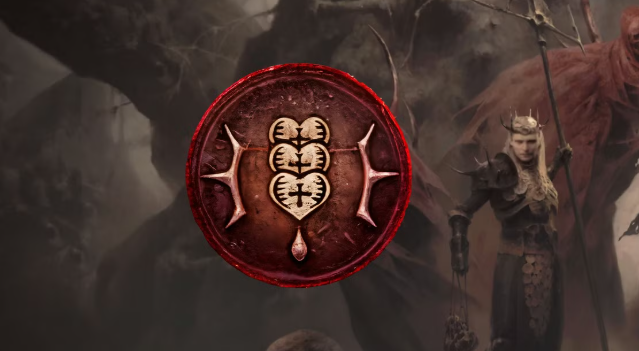
Diablo 4: Drain Vitality Passive Skill Guide

Drain Vitality is a core defensive passive skill exclusive to the Necromancer class in Diablo 4. Rooted in the Blood skill tree, this passive focuses on boosting survivability through the game’s Fortify mechanic. It serves as a key self-sustain tool for Blood-focused Necromancer builds, balancing the class’s high offensive potential with reliable damage mitigation throughout all game stages.

Unlike active skills that require essence or cooldowns, Drain Vitality works passively in the background. It synergizes exclusively with Blood-type abilities, making it a mandatory pick for players running Blood Surge, Blood Lance, or other Blood skill-centric builds. Its reliance on Lucky Hit mechanics adds strategic depth to Diablo 4 Items and skill customization.

Core Skill Mechanics

Drain Vitality’s core effect revolves around Lucky Hit procs from Blood skills. The passive grants up to a 30% Lucky Hit chance when hitting enemies with any Blood skill. A successful proc fortifies the player’s character with a shield based on their Maximum Life, a critical update introduced in Patch 1.2.0.

The Fortify value scales with skill investment. A single skill point provides 2.5% Maximum Life as Fortify per proc. Fully maxing out the skill increases this value to 7.5% Maximum Life per successful Lucky Hit. This scaling makes incremental point investments worthwhile for late-game tankiness.

Fortify acts as a protective barrier that reduces all incoming damage. When a player’s Fortify value matches their total Maximum Life, they unlock the maximum 15% damage reduction from the Fortify mechanic. Drain Vitality is one of the most consistent ways for Necromancers to maintain this buff permanently.

Optimal Skill Scaling and Point Allocation

Newer players often make the mistake of overinvesting or underutilizing Drain Vitality. For early leveling (levels 1 to 50), one or two skill points are sufficient. The lower enemy damage output makes partial Fortify uptime enough to survive regular content and dungeon runs.

For endgame builds, maxing Drain Vitality is highly recommended. Endgame activities like Nightmare Dungeons, Uber Boss fights, and the Gauntlet feature high enemy damage scaling. The boosted 7.5% Fortify per proc ensures faster Fortify stacking and consistent damage reduction during intense combat encounters.

This passive also pairs perfectly with Lucky Hit chance modifiers on gear. Stacking Lucky Hit stats significantly raises proc frequency, turning the occasional Fortify buff into a permanent defensive layer for Blood Necromancer builds.

Best Build Synergies

Drain Vitality shines brightest in Blood Surge Necromancer builds. The area-of-effect nature of Blood Surge hits multiple enemies at once, drastically increasing the number of potential Lucky Hit procs. This results in rapid Fortify stacking even when facing large monster packs.

It also complements Overpower-focused Blood builds. Fortify status not only reduces incoming damage but also amplifies Overpower damage output. This dual benefit makes Drain Vitality both a defensive and offensive utility passive for specialized endgame setups.

Minion-focused Necromancer builds gain less value from this skill. Players running skeleton or golem-centric builds often allocate fewer points here, prioritizing minion buff passives instead. Drain Vitality remains niche outside pure Blood skill builds.

Final Gameplay Tips

To maximize Drain Vitality’s effectiveness, prioritize gear with Lucky Hit Chance and Maximum Life stats. These two attributes directly boost both proc rate and Fortify strength. Pairing the passive with Fortify duration affixes further extends your damage reduction window. At the same time, supplementing your gameplay with cheap Diablo 4 materials allows you to power up more rapidly, thereby enhancing your overall gaming experience.

Avoid neglecting this passive in hardcore gameplay modes. The consistent Fortify generation it provides is irreplaceable for surviving one-shot mechanics and high-pressure endgame content. For any Blood Necromancer build, Drain Vitality is an essential foundation for unshakable survivability.
Diablo 4 Complete Sanctuary Interactive Map Guide

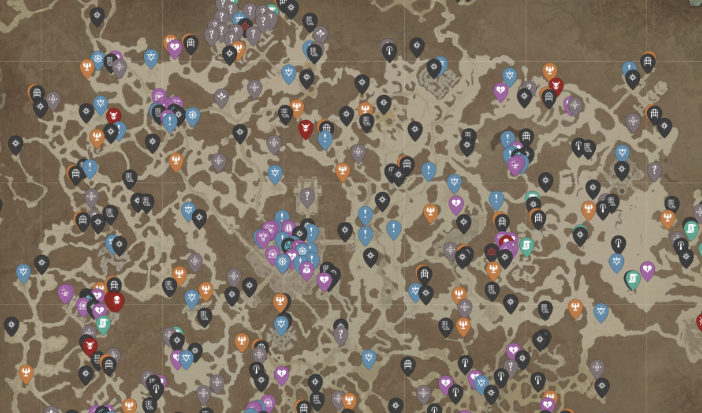
Exploring Sanctuary has always been one of the most important parts of Diablo 4. From hidden Altars of Lilith to Nightmare Dungeons, World Bosses, Strongholds, and Helltide events, the game’s massive open world is packed with valuable content that directly impacts progression.

Why Interactive Maps Matter in Diablo 4

Diablo 4’s world is enormous compared to previous Diablo games. Sanctuary contains multiple large regions, each filled with activities and hidden progression systems.

These regions include:

·Fractured Peaks

·Scosglen

·Dry Steppes

·Kehjistan

·Hawezar

·Nahantu

Every zone contains important objectives tied to character progression, including Renown rewards, Altars of Lilith, Strongholds, side quests, and dungeon unlocks.

Without a proper map tool, players can easily miss critical rewards that significantly improve character power. This is especially true in Season 13, where efficient farming routes heavily influence how quickly players can optimize Diablo 4 Items and progress into Torment difficulties.

Interactive maps simplify this process by tracking nearly every collectible and activity in the game world.

What the Diablo 4 Sanctuary Interactive Map Shows

Modern Diablo 4 interactive maps offer far more than basic navigation.

According to Game Rant’s complete Sanctuary map guide, players can use interactive tools to locate nearly every important activity and collectible in the game.

Popular map features include:

·Altars of Lilith

·Waypoints

·Dungeons

·Strongholds

·Cellars

·World Boss locations

·Helltide spawn zones

·Legion Events

·Side quests

·Rare elite enemies

·Seasonal content locations

These tools are especially valuable for players farming endgame Diablo 4 Items because efficiency becomes increasingly important at higher levels.

Altars of Lilith and Renown Farming

One of the biggest reasons players use interactive maps is to complete Altars of Lilith and Renown objectives.

Altars of Lilith provide permanent account-wide bonuses, including:

·Increased stats

·Additional Murmuring Obols

·Maximum Paragon points

·Skill points

Collecting every Altar of Lilith remains one of the most important progression steps for new seasonal characters.

Renown rewards also grant major benefits, including:

·Extra potion charges

·Skill points

·Paragon points

·Increased Obol capacity

Many players prioritize Renown completion early because these bonuses significantly improve farming efficiency later in the season.

Using Interactive Maps for Endgame Farming

Interactive maps become even more valuable during endgame progression.

Season 13’s endgame heavily revolves around efficient farming routes for:

·Helltides

·Nightmare Dungeons

·Infernal Hordes

·World Bosses

·Tormented Bosses

·Horadric events

Players farming high-end Diablo 4 Items often use interactive maps to minimize downtime between activities and maximize loot-per-hour efficiency.

Helltide Optimization

Helltides remain one of the best farming activities in Diablo 4.

Interactive maps help players locate:

·Mystery chests

·Blood Maiden events

·Tortured Gifts

·Elite enemy spawn areas

·Living Steel chests

Efficient Helltide routing dramatically improves farming speed for crafting materials, gold, and Unique Diablo 4 Items.

Nightmare Dungeon Planning

Nightmare Dungeon farming is another area where interactive maps provide major advantages.

Several community-created map tools now display:

·Dungeon layouts

·Objective locations

·Monster density

·Sigil recommendations

·Boss encounters

This allows players to target the most efficient dungeons for XP and loot farming.

World Boss and Legion Event Tracking

Interactive maps also help players track timed world events.

World Bosses remain one of the best sources of:

·High-end Diablo 4 Items

·Crafting materials

·Greater Affix gear

·Unique item drops

Meanwhile, Legion Events offers:

·Fast XP

·Obols

·Equipment

·Seasonal progression materials

Tracking event timers through interactive maps ensures players never miss valuable farming opportunities.

Nahantu and Lord of Hatred Expansion Zones

The Lord of Hatred update introduced Nahantu, a new jungle-themed region inspired by Diablo 2’s Kurast areas.

Interactive maps now help players navigate:

·Nahantu Strongholds

·Spiritborn content

·Seasonal objectives

·New dungeons

·Hidden exploration rewards

Because the region contains dense environmental design and layered pathways, map tools are especially useful for efficient exploration.

Best Interactive Map Websites

Several major websites currently offer excellent Diablo 4 interactive maps.

Map Genie

Map Genie remains one of the most popular Diablo 4 mapping tools thanks to its detailed filtering options and clean interface.

Players can track:

·Completed objectives

·Altars of Lilith

·Dungeon completion

·Seasonal activities

·Hidden collectibles

D4Builds Interactive Map

D4Builds also provides a highly detailed Sanctuary map with strong community support.

This tool is particularly useful for:

·Endgame farming routes

·Helltide tracking

·Boss spawn locations

·Seasonal events

Many players also choose to buy Diablo IV gold to accelerate progression even further by funding:

·Masterworking upgrades

·Horadric Cube crafting

·Enchanting rerolls

·Boss material purchases

·Endgame gear optimization

Combining efficient map usage with proper resource management dramatically improves progression speed.

Final Thoughts

Diablo 4’s Sanctuary is massive, and interactive maps have become one of the most important tools for efficient progression in Season 13. Whether you are hunting Altars of Lilith, farming Helltides, tracking World Bosses, or collecting endgame Diablo 4 Items, a complete interactive map can save enormous amounts of time.

Diablo 4 Patch Prep Guide: Bloodied Sigils, Obdite Farming, and the “Meat Room”

The next patch for Diablo 4 is dropping soon, and it brings a host of changes that will significantly impact your endgame grind. Whether you’re pushing past Pit 100 or hunting for Masterworking materials, this guide breaks down everything you need to know, from major difficulty adjustments to the new best strategies for farming Obdite. If you’re looking to speed up your progress, you can also buy Diablo 4 Gold to enhance your farming and gear upgrades.

1. Major Difficulty Adjustment: Bloodied vs. Blood Soaked Sigils

One of the biggest roadblocks for endgame players has been the Blood Soaked Sigils. Here’s the breakdown:

· Blood Stained Sigils: These are the standard sigils you use before reaching Pit 100.

· Blood Soaked Sigils: Unlocked after completing Pit 100, these were intended to be the next challenge with significantly better rewards. However, the difficulty spike was far too steep.

· The Change: The upcoming patch will reduce the difficulty of Blood Soaked Sigils significantly. The developers want players who have earned access to this content to have a reasonable chance of success.

· Why it matters: This change is crucial for players looking to level their Glyphs to 100. It ensures you have a viable path forward to continue pushing content and earning top-tier rewards after the Pit 100 milestone.

2. The Ultimate Obdite Farming Loop

Obdite is a critical resource for Masterworking your gear, but farming it efficiently has been a pain point. The patch fixes a bug where Bloody Nightmare Dungeons weren’t dropping Obdite, but there is a specific, repeatable loop that currently yields the best results.

Here is the most efficient cycle to maximize your Obdite gains:

Step 1: Farm Sigil Powder in Helltides

Helltides are the best source for Sigil Powder. Focus on:

· Opening Chests: Prioritize the Mystery Chest (gives 26 powder) and all other chests (15 each). Try to clear all four Helltide zones to open every chest available.

· Summoning the Blood Maiden: This is a fast way to earn Cinders, allowing you to open more chests.

Step 2: Craft “Strong Room” Nightmare Dungeon Sigils

Take your Sigil Powder to the Occultist and craft sigils. You are specifically looking for Strong Room sigils. These dungeons are the only source of Escalating Nightmare Dungeon keys and reward roughly 800 Obdite per run.

Step 3: Run Escalating Nightmare Dungeons

When you find an Escalating Nightmare Dungeon key, run it. Your primary goal is to defeat Astaroth.

· The Key Drop: Upon completion, you have a chance to get the “Riches of Keys” Aix. This item is the jackpot—it guarantees you two Strong Room Nightmare Dungeon sigils.

· The Loop: If you get the Riches of Keys, you can restart the cycle immediately (Strong Room -> Escalating -> Riches of Keys -> Strong Room). If you don’t get it, you may need to go back to Helltides for more powder.

· Important Note: The patch will fix a bug where Treasure Breach Nightmare Dungeons were not dropping Obdite. Once fixed, these will likely become the “hands down best way” to farm Obdite, potentially yielding thousands per run. Save your Treasure Breach sigils for after the patch goes live for maximum value.

3. Key Class & Mechanic Fixes

Several frustrating bugs are being addressed that will improve quality of life for specific classes and general gameplay.

· The Butcher in Slaughter Houses: Fixed an issue where only one party member would transform into the Butcher. Now, the transformation should work as intended for everyone in the party.

· Druid Killstreaks: A bug that prevented Druids from receiving Willpower from new Bloodied affixes (which in turn prevented core resource generation) has been fixed.

· Necromancer Minions: Minions will no longer block player movement when entering Slaughter Houses.

· Shrine of Slaughter: The biggest quality-of-life fix: entering the Shrine will no longer remove your active Incense and Elixirs. This saves you valuable herbs and resources.

4. The “Meat Room” Quality-of-Life Upgrade

The “Meat Room” (the area near the Butcher’s Lair) is becoming a more convenient hub.

· The Change: A Stash Tab and a Blacksmith (Anvil) are being added to the area.

· Why it’s great: Previously, players had to portal back to town to salvage items or deposit Fresh Meat. This addition allows you to manage your inventory on the spot, making farming runs in this area much faster and more efficient.

5. Miscellaneous Fixes & Adjustments

· Seasonal Ranks: A fix is being implemented for seasonal rank objectives and capstone completions that were not granting rewards or could not be completed. If you had bugged objectives, you should finally be able to claim your rewards.

· Fields of Hatred (PVP): The Butcher in the PVP zone will now have significantly more life. This is to ensure that when players transform into the Butcher during the new event, they actually feel as powerful and “unkillable” as intended, rather than being defeated too quickly.

Summary Checklist for the Patch

1. Save Your Sigils: Do not run Treasure Breach Nightmare Dungeons until after the patch to take advantage of the fixed Obdite drop rates.

2. Prepare for Pit Pushing: If you’ve been stuck at Pit 100, get ready to tackle the newly balanced Blood Soaked Sigils for glyph XP.

3. Stock Up: Gather Sigil Powder in Helltides to craft Strong Room sigils for the optimal Obdite farming loop.

Visit the Meat Room: Take advantage of the new Stash and Blacksmith to streamline your farming sessions. And if you want to make your journey even faster, you can buy cheap Diablo 4 Items to boost your progress. Check out MMOEXP for all your Diablo 4 needs and take your gameplay to the next level!

Diablo 4 Wanderer’s Guide: 10 Quality of Life Tips You Might Have Missed

Ever found yourself thinking, “There has got to be an easier way to do this in Diablo 4”? You’re not alone. Sanctuary is filled with hidden quality-of-life features that can transform your gameplay experience. Whether you are looking to save time while respeccing or want to buy Diablo 4 Gold to fund your next build, these tips will save you time, frustration, and countless clicks. Here are 10 tips that will save you time, frustration, and countless clicks.

1. Speed Through Paragon Board Respecs

Respeccing your Paragon Board used to mean clicking through hundreds of nodes one by one. Not anymore.

· For Mouse and Keyboard: Simply hold the Control button and click on the node you want to reach. The game will automatically allocate all the necessary points along the path. While you may need to adjust if the automatic path isn’t optimal, two clicks are infinitely better than five—or fifty.

· For Controller: Press and hold the assign button instead of tapping. The game will fill in the path automatically, saving you from button-mashing through your entire point pool.

· Pro Tip: This works on all platforms. Console players can connect a mouse and keyboard to their Xbox or PlayStation for this functionality, just as PC players can use controllers. The cross-input support is fully integrated.

2. Unlimited Mount Speed with Cooldown Reduction

Did you know your mount benefits from your character’s cooldown reduction stats? Check your stats panel and scroll down—cooldown reduction caps at 75% for everyone, and it directly affects your mount’s spurs.

How it Works:

· Without cooldown reduction, your spurs regenerate slowly, leaving you waiting between sprints

· With high cooldown reduction, your spurs regenerate almost instantly

· Your spur cooldown starts at 5 seconds instead of 7 with enough CDR

Build a “Riding Gear” Set: Keep a separate set of gear with cooldown reduction on:

· Helmet

· Gloves

· Rings

· Amulet

When you’re racing to a Legion event or have minutes before a World Boss spawns, swap to your riding gear and sprint across the map without interruption.

3. Favorite Waypoints for Instant Teleports

Tired of scrolling through waypoints to find your preferred hub? Use the favorite system. Open your map and look for the star icon next to each waypoint. Click it to favorite any location—whether it’s the main hub near the Pit, a central city, or your favorite farming spot.

The Magic: Once favorited, simply hit your teleport button and you’ll automatically return to that waypoint. No menu navigation, no searching. Perfect for quickly returning to town to grab your riding gear before a world boss.

4. Master the Armory for Build Swapping

The Armory (located in every major city—look for the symbol that resembles two crossed swords) is one of the most underutilized tools in the game.

What the Armory Does:

· Saves complete builds including gear, skills, and Paragon boards

· Swaps everything with one click

· Perfect for transitioning between farming builds, bossing setups, and speed-farming configurations

· Example: Save your “Hammer of the Ancients” build, then create a “Rend Earthquake” farming build. When you want to switch, just select the build and hit “Equip.”

Critical Limitations to Know:

What SwapsWhat Doesn’t Swap
Gear piecesAspects (if using same gear)
SkillsGems
Paragon BoardsRunes (with restrictions)

Rune Warning: If you have the same rune equipped in multiple pieces across different builds, the Armory may fail to swap. Remove conflicting runes first or ensure your rune setups are completely distinct between builds.

5. Swap Runes and Gems Anywhere

You don’t need to visit the Jeweler every time you want to adjust your runes or gems. Open your inventory and:

· Click on a socketed item

· Select the rune or gem you want to replace

· Choose a new one from your collection

· The interface automatically rotates through your available options, letting you experiment with different combinations on the fly. This is especially useful when testing new builds or adjusting for specific content.

6. Quick-Check Your Best Aspects at the Occultist

At the Occultist, open the Codex of Power and type “equip” (or “equipped”) in the search bar. This filters to show only the aspects currently equipped on your character.

Why This Matters:

· Each aspect you salvage gets added to your Codex at its current roll value

· Your equipped gear retains whatever aspect value you imprinted originally

· If you’ve since salvaged a better version of that aspect, your equipped gear is now outdated

· The search function highlights exactly where each aspect is equipped on your character model and in your inventory, making it incredibly easy to identify which gear needs upgrading. No more manually checking each piece against your Codex.

7. Organize Your Stash with Custom Tabs

Stash space is precious in Diablo 4. Maximize it with the edit feature:

Click the edit icon on any stash tab to:

· Name the tab (e.g., “Catch All,” “Legendaries,” “Uniques,” “Mythics”)

· Choose an icon that matches the tab’s purpose

When a tab fills up, you immediately know it’s time to review its contents. This system helps you maintain organization without endless scrolling through a disorganized stash. Create dedicated tabs for:

· Gear you’re saving for alts

· Aspects for future builds

· Boss summoning materials

· Emergency riding gear sets

8. Teleport Directly to Bosses and Between Nightmare Dungeons

Boss Teleports: Click any dungeon entrance on your map and teleport directly to it—no more walking across multiple zones to reach that Nightmare Dungeon or Capstone.

Nightmare Dungeon Chaining: Here’s the real time-saver—after killing the final boss in a Nightmare Dungeon, immediately open another Nightmare Dungeon sigil from your inventory. The game will instantly teleport you to the new dungeon with no loading bar and no need to leave your current location.

This is perfect for:

· Chaining Whisper cache runs

· Farming specific dungeon types

· Running through your hoarded sigils efficiently

9. Teleport to Party Members Mid-Dungeon

Playing with friends and fell behind? Maybe real life intervened, or your dog needed attention? Open your Social menu, find your party member, and select “Teleport to Party Member.” You’ll instantly appear at their location, regardless of how far through the dungeon they’ve progressed. No more sprinting through empty hallways trying to catch up while your party fights the final boss without you. This works on controller too—navigate to the party screen and select the teleport option.

10. Hidden Teleport Locations You Didn’t Know Existed

Beyond dungeons and waypoints, several key locations now support direct teleportation:

· The Pit: Once a portal is open (after someone in your party starts one), click it on your map to teleport directly inside.

· Training Grounds: Located in either Ked Bardu or Kurast Bazaar, the Training Grounds is a complete testing facility featuring:

· Target dummies with customizable options

· Occultist

· Blacksmith

· Armory

· Stash

· Jeweler

· Healing well

· Click the Training Grounds on your map to teleport there instantly—no walking required.

The Undercity: Once a party member opens an Undercity run, click the portal on your map to join them inside.

Final Thoughts

These ten quality-of-life features represent just a fraction of the thoughtful systems Blizzard has built into Diablo 4. From the Paragon Board shortcut to the comprehensive Training Grounds, each one is designed to get you back to what matters most: slaying demons and finding better loot. Of course, if you ever want to skip the grind and buy cheap Diablo IV Items, we highly recommend checking out MMOEXP for all your gearing needs. Have your own hidden tips? Share them with fellow wanderers. And remember—whether you’re racing to a World Boss, testing a new build, or chaining Nightmare Dungeons, Sanctuary moves faster when you know the shortcuts. Happy hunting, wanderer.

Diablo 4 – Warlock Full Reveal Guide

Blizzard has finally pulled back the curtain on Diablo 4’s highly anticipated new class: the Warlock. Set to arrive with the Lord of Hatred expansion on April 28, 2026, this dark caster is not a servant of Hell-but a master of it. Unlike any class before it, the Warlock tears open the veil between worlds, binds demons to their will, and turns Hell’s own power against its minions. This guide breaks down every detail from the full reveal, helping you prepare to harness infernal wrath and conquer Sanctuary. To achieve your goal quickly, you can prepare enough Diablo 4 Items in advance.

Warlock Lore: The Forbidden Legacy of the Vizjerei

The Warlock’s origins trace back to the Vizjerei, an ancient mage clan whose forbidden experiments with demon summoning sparked the Sin War millennia ago. After the clan fractured and demonology was outlawed, the remaining practitioners were branded “Warlocks” and hunted across Sanctuary.

Today, Warlocks are exiles and outcasts, united by a cursed gift: the ability to see and command demons. Few are trained from childhood; most are born with this talent, which often leads to rejection by society. Guided by fragmented ancient knowledge, they wander Sanctuary, seeking to master their power and resist the corruption of Hell.

Crucially, Warlocks do not serve Hell-they weaponize it. They are Hell’s scourge, using rituals, alchemy, and sheer will to bend demons to their purpose. Once a Warlock tears the veil between worlds, there is no turning back; their hunger for power and purpose drives them forward, no matter the cost.

Core Mechanics: Wrath, Dominance, and Class Keywords

The Warlock’s gameplay revolves around a dual resource system that demands strategic balance: Wrath and Dominance. Wrath is used to cast offensive skills, while Dominance fuels demon summoning and command abilities. Mastering both resources is key to unlocking the class’s full potential.

Blizzard also introduced new class-exclusive keywords that define the Warlock’s playstyle. Hex increases an enemy’s vulnerability to Abyss skills based on their missing health, stacking up to three times. Eviscerate forces enemies to lose bleeding health instantly and continue bleeding afterward.

Shadow Form grants unhindered movement and stealth while moving, but consumes stacks with each ability cast. Demon Form boosts maximum health, and kills during this form increase Demonology skill damage. Volatility randomly empowers Hellfire skills, boosting their damage on the next cast.

Soul Shards: The Warlock’s Defining Class Mechanic

At level 30, Warlocks unlock their most transformative feature: Soul Shards. These four unique shards bind the Warlock to a specific high-ranking demon, reshape their playstyle, and grant powerful passive effects. Each shard represents a distinct archetype, letting you tailor your Warlock to your preferred combat style.

The Legion Shard focuses on swarming enemies with low-tier demons, using their deaths to fuel high-tier demon abilities. Summoning the high-ranking demon Egloth, you can overwhelm foes with “Evil Spawn” minions, and detonating these minions triggers devastating damage.

The Vanguard Shard turns you into a frontline brute, binding you to the demon Abodian. In Demon Form, your skills summon additional demons-like brutes and fire-breathing skulls-while boosting your close-combat power. This archetype is perfect for players who want to dive into the fray alongside their demons.

The Mastermind Shard leans into shadow magic and control, linking you to the demon Lalishe. It lets you maintain Shadow Form while casting skills, boosting Abyss damage and movement speed. Enemies weakened by Lalishe can be executed, reducing ability cooldowns for even more control.

The Ritualist Shard centers on forbidden rituals and self-sacrifice, bound to the demon Valok. It increases your suppression limit, and stacking Hex on enemies triggers explosive damage. This archetype rewards aggressive play, as you trade health for massive Hellfire and Abyss skill power.

Warlock Skills: From Basic Spells to Devastating Ultimates

The Warlock’s skill tree blends dark magic, demon summoning, and area control, with clear tiers for basic, core, defensive, and Archfiend (ultimate) skills. Basic skills like Command Fallen and Molten Bomb generate Wrath, summoning exploding minions or lobbing fiery lava at foes.

Core skills deal heavier damage and consume Wrath. Hell Fracture tears the ground open with Hellfire, while Dread Claws unleash shadowy talons to slash enemies. Umbral Chains links multiple foes, dealing damage and preventing escape-ideal for crowd control.

Defensive skills keep you alive while commanding demons. Nether Step lets you teleport through shadows, gaining Shadow Form and a movement speed boost. Wall of Agony binds demons into a barrier, blocking enemies and dealing continuous damage to those who get close.

Archfiend skills are game-changing ultimates. Rampage summons a massive brute that smashes enemies, while Apocalypse creates a giant sigil that explodes after a delay, wiping out groups of foes. Transformation lets you permanently assume Demon Form, maximizing your combat potential.

Unique Items and Class Quests

The Lord of Hatred expansion introduces exclusive Warlock Unique Items, many of which enhance demon abilities or interact with class keywords. These items boost Hex damage, extend Demon Form duration, or reduce Dominance costs, letting you refine your build further.

Warlocks also get a dedicated class quest at level 15, starting in Ked Bardu. This quest dives deeper into the class’s lore, tasking you with mastering your demon-summoning abilities and proving your worth as a Warlock. Completing it unlocks additional skills and customization options.

Playstyle Tips for New Warlocks

For beginners, start with the Legion or Vanguard archetypes-they offer straightforward playstyles (swarming minions or frontline combat) that are easy to learn. Focus on balancing Wrath and Dominance: use basic skills to generate Wrath, then spend Dominance to summon demons and command them.

Equip items that boost your core archetype-Legion builds benefit from minion damage, while Ritualist builds thrive with health-to-damage conversions. Don’t forget to experiment with Soul Shard fragments, which add secondary effects to further customize your playstyle.

Finally, team up with other players to maximize your demon army’s potential. Warlocks excel at crowd control and area damage, making them valuable allies in group content like Nightmare Dungeons and Helltide events.

Final Thoughts: The Warlock’s Place in Sanctuary

The Warlock is more than just a new class-it’s a love letter to Diablo’s dark, chaotic roots. It offers a unique blend of summoning, control, and brute force, distinguishing itself from the Necromancer with its focus on dominating demons rather than commanding the dead.

With its deep lore, flexible playstyles, and powerful mechanics, the Warlock is set to become a fan favorite when it launches on April 28. To play it at launch, pre-purchase the Lord of Hatred expansion and prepare to tear open the veil-Sanctuary’s fate depends on your ability to command Hell’s power against itself. MMOexp has prepared ample resources such as cheap Diablo 4 Gold and materials for the new season. Follow us to get the safest and most reliable service and guidance.